Uncover the Core of Resistance: Exploring the Warsaw Uprising Museum
The Warsaw Uprising Museum serves as a testament to human resilience against tyranny. It presents a distinctive glimpse into the sacrifices made during one of history's most defining moments. Visitors can engage with compelling exhibits showcasing individual accounts and shared history. This examination of historical events prompts important questions about liberty and the enduring pursuit of democratic ideals. What insights can we gather from these accounts, and how do they remain relevant in the present?
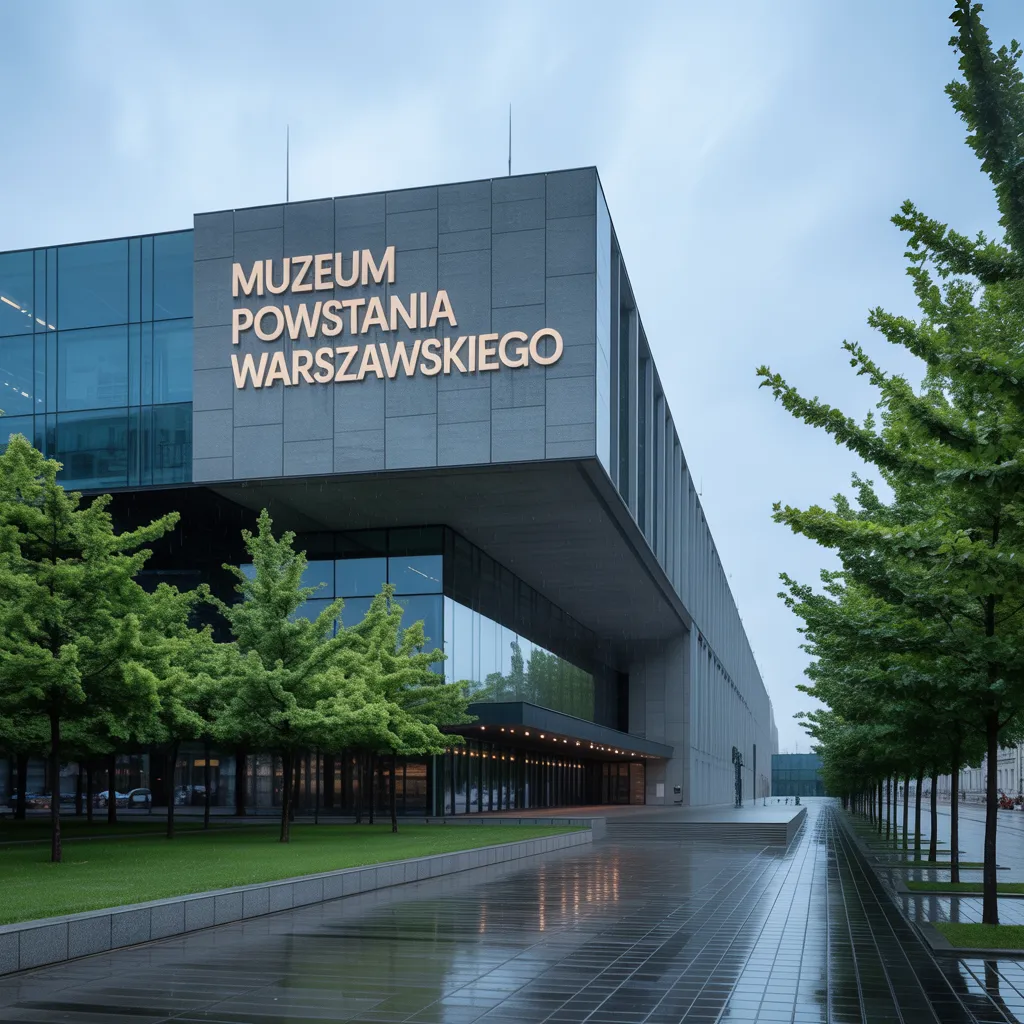
Why The Warsaw Uprising Is Still Relevant Today
The importance of the Warsaw Uprising of 1944 resonates deeply in contemporary society, symbolizing perseverance amid oppression. This pivotal moment in history, which transpired in the course of the Second World War, underscores the bravery of those who stood against oppression, making it a significant benchmark for modern-day resistance to authoritarianism. The insurrection stands as a testament to the lives given for freedom, cultivating a feeling of duty to preserve democratic values today.
At a time defined by growing nationalist and populist movements, the Warsaw Uprising's lessons promote watchfulness against the undermining of civil freedoms. It further cultivates a shared understanding of the importance of unified efforts in championing human rights. Moreover, the uprising unites generations, linking the narratives of past heroes with contemporary movements for justice. Therefore, its enduring legacy motivates people and communities across the globe, emphasizing the enduring fight for freedom and equality.
Explore Key Exhibits and Personal Stories
While visiting the Warsaw Uprising Museum, one can discover key exhibits that breathe life into the profound struggles of those who lived through it. The museum's collection includes photographs, personal artifacts, and historical documents that highlight the constant challenges experienced by both resistance members and ordinary citizens. A particularly moving display showcases letters penned by uprising participants, exposing their innermost hopes and anxieties throughout the conflict. Another highlights the stories of families who were displaced, underlining the devastating human cost of war.
Furthermore, the exhibit showcases military attire and arms used during the revolt, shedding light on the desperate circumstances. The narrative is enriched by recorded testimonies of eyewitnesses sharing their stories, adding an intimate dimension to the historical events. These exhibits not only teach audiences about the uprising but also honor the strength and valor of those who fought for their city, bringing historical events to life for today's audiences.
Essential Interactive Exhibits at The Museum
How can interactive exhibits enhance the understanding of the Warsaw Uprising? At the Warsaw Uprising Museum, such exhibits provide an engaging and dynamic approach to exploring history. A particularly notable exhibit enables visitors to explore a virtual map of the city as it appeared during the uprising, shedding light on the geographical obstacles encountered by insurgents. A further immersive exhibit recreates the sounds of combat, surrounding visitors with the powerful atmosphere of resistance.
Furthermore, the museum showcases a poignant interactive installation where visitors can leave comments and insights, fostering a personal link to the historical story. Interactive screens showcase eyewitness stories from survivors, closing the distance between history and today. These interactive elements not only inform but also generate understanding, rendering the intricacies of the Warsaw Uprising easier to understand and connect with. Through these innovative installations, the exhibit transforms the study of history into a compelling adventure that leaves a lasting impression with visitors.
Useful Advice For Visiting The Museum
What essential tips can enhance a visit to the Warsaw Uprising Museum? Initially, visitors should plan to spend at least two to three hours thoroughly exploring the exhibits. It is suggested that visitors reserve tickets online beforehand to prevent long waits, especially during high tourist seasons. Audio guides are available and recommended, as they provide valuable context and deeper insights into the exhibits.
Coming early in the morning can also enhance the experience, creating a more peaceful environment. Appropriate footwear is necessary, as the exhibition requires considerable walking and time on your feet. Additionally, attendees should consider looking at the museum's timetable for organized events, hands-on workshops, or curated tours that may deepen their knowledge. As a final tip, speaking with the museum's team for guidance can lead to discovering lesser-known artifacts and stories that highlight the resilience of Warsaw's citizens during the uprising.
How The Uprising Defines Contemporary Polish Culture
The Warsaw Uprising remains a pivotal event in Poland's rich history, deeply shaping the nation's collective identity. This remarkable 1944 rebellion against Nazi forces symbolizes valor, strength, and the fight for independence. The Uprising has become a central reference point in contemporary Polish national identity, cultivating feelings of solidarity among citizens who view it as a tribute to their shared history and values.
In contemporary Poland, the Uprising is honored in various forms, from civic events to artistic tributes, reinforcing a collective memory that shapes national consciousness. The courage displayed during the Uprising is honored through literature, cinema, and art, functioning as an enduring symbol of national pride.
Additionally, the Uprising's legacy inspires ongoing discussions about sacrifice, democracy, and historical memory, shaping political discourse and civic engagement. Thus, the Warsaw Uprising's significance continues to be a pillar of Polish identity, representing the enduring pursuit of sovereignty and the enduring spirit of resistance.
Motivating Future Generations Through The Museum
The Warsaw Uprising Museum serves a vital function in teaching younger audiences through its interactive exhibits, which immerse them in the pivotal occurrences of the insurrection. Through safeguarding these stories, the museum not only commemorates what came before but also instills a sense of responsibility in the next get details on this generation. This approach fosters a deeper understanding of historical events and their continuing significance on Polish identity.
Learning Through Interactive Exhibits
Although numerous museums seek to conserve history, the Warsaw Uprising Museum adopts a unique methodology by immersing visitors in interactive displays. These meticulously planned displays invite individuals to immerse themselves in the stories of those who endured the uprising. By employing multimedia presentations, virtual reality experiences, and hands-on activities, the museum encourages a greater comprehension of the historical backdrop and emotional gravity of the events. Visitors can explore authentic artifacts and engage in storytelling that transforms history into a living experience, ensuring it resonates with future generations. This interactive methodology not only informs but also cultivates compassion and analytical thought, guaranteeing that the insights of the uprising extend far beyond the museum walls, shaping the perspectives of future leaders.
Preserving Historical Narratives Impact
By means of its engaging exhibits, the Warsaw Uprising Museum not only informs guests but also plays an important role in maintaining historical narratives that speak to generations to come. By presenting personal stories, artifacts, and multimedia presentations, the museum fosters a greater understanding of the Uprising's significance. This involvement helps to guarantee that the offerings made during this pivotal moment in history are not forgotten. The museum underscores the significance of collective memory, resilience, and bravery, inspiring young people to consider their own ideals and obligations. As attendees form emotional bonds with the past, they are encouraged to become active participants in creating a better tomorrow. Therefore, the museum serves as a crucial conduit for conveying these essential accounts through generations.
Personal Narratives That Illuminate History
Amidst the remnants and collections of the Warsaw Uprising Museum, personal narratives emerge as powerful demonstrations of resilience and courage. Each story, be it from a combatant or an ordinary citizen, offers a poignant insight into the human experience during one of the most somber chapters in history. The museum showcases letters, diaries, and oral testimonies that express the emotions of loss, hope, and defiance, enabling guests to forge a profound connection with history.
These accounts underscore the complexities of endurance, revealing how common people rose to become remarkable heroes. They reveal the profound moral conflicts faced during the uprising and the bonds forged in adversity. By sharing these intimate accounts, the museum preserves not only history but also highlights the importance of distinct voices in molding collective remembrance. Ultimately, these individual accounts redefine the understanding of the uprising, enabling it to find relevance in current dialogues concerning resistance and identity.
Frequently Asked Questions
What Are the Museum's Business Hours and Ticket Prices?
The museum is open seven days a week from 10 AM to 6 PM, with extended hours on Thursdays until 8 PM. Entry fees are 25 PLN per adult, with students and seniors benefiting from reduced rates of 15 PLN.
Are Guided Tours Available at the Warsaw Uprising Museum?
Absolutely, guided tours are available at the museum. These guided experiences deliver comprehensive insights into the historical exhibits and context, deepening visitors' appreciation of the significance and events of the uprising. Reservations are recommended.
Is Photography Permitted Inside the Museum?
Photography is generally not permitted inside the museum so as to safeguard the exhibits and maintain the respectful atmosphere of the venue. Guests are invited to embrace the visit without taking photos, focusing instead on the historical significance.
Are There Any Gift Shops or Cafés Located On-Site?
The museum includes both a gift shop and a café on the premises. Patrons have the opportunity to shop for keepsakes and indulge in light refreshments, making their experience more enriching while discovering the historical importance of the museum's displays.
Are There Any Special Events or Exhibitions Coming Up?
The museum frequently organizes special events and exhibitions. Future programs offer talks, cinematic screenings, and engaging displays, giving attendees greater knowledge about the profound history of the Warsaw Uprising and its continuing influence.
Comments on “Warsaw Uprising Museum PL: Iconic Poland Attraction for Tourists”